Introduction
In combat sports, the victor isn’t just the athlete who trains the hardest; it is often the one who recovers the most efficiently. Whether you are throwing combinations in 16oz boxing gloves or absorbing heavy low kicks, combat sports subject the human body to extreme physiological and psychological stress. The breakdown of muscle tissue, neurological fatigue, and joint inflammation are daily realities for fighters. To sustain peak performance, a meticulous recovery strategy is non-negotiable. This comprehensive guide delves deep into the tri-pillar approach to fighter recovery: optimized sleep architecture, precision performance nutrition, and structural protection.
The Physiology of Fighting: Why Recovery Matters
Every time you step into the gym for a grueling sparring or conditioning session, your body undergoes micro-trauma. High-impact contact damages muscle fibers, increases systemic cortisol levels, and deplete glycogen stores. Without an deliberate recovery phase, this state of chronic stress leads down a dangerous path toward overtraining syndrome, diminished reaction times, and acute injuries.
Elite performance requires structural respect. While utilizing premium protective gear like an ergonomic Muay Thai shinguard minimizes external impact trauma during training, internal cellular repair relies completely on biological resources. A systematic approach to rest ensures that your body overcompensates during the healing process, returning stronger, faster, and more resilient for your next session.
Sleep Architecture: The Ultimate Legal Performance Enhancer
Sleep is the most potent recovery tool available to an athlete. It is divided into distinct stages, each serving a unique physiological purpose for combat sports longevity. Deep sleep (Slow Wave Sleep) is particularly crucial for fighters. During this stage, the pituitary gland releases a surge of Human Growth Hormone (HGH), which stimulates tissue repair, muscle growth, and bone density reinforcement.
Furthermore, REM (Rapid Eye Movement) sleep is where cognitive restoration occurs. For martial artists, REM sleep facilitates neuroplasticity, consolidating motor skills learned during daytime technical drills. If you are drilling a complex counter-striking combination or perfecting your footwork patterns, those neural pathways are solidified while you sleep. Elite fighters should aim for 8 to 9 hours of quality sleep per night, strictly regulating circadian rhythms by maintaining a dark, cool sleep environment and eliminating blue-light exposure 60 minutes before bed.
Precision Nutrition: Fueling the Structural Repair
Macronutrient Profiling for Combat Athletes
Nutrition for fighters must transcend simple caloric math; it must be viewed as a structural intervention. Protein intake should be maintained between 1.6 to 2.2 grams per kilogram of body weight daily to repair the skeletal muscle damage induced by heavy bags and heavy sparring. Prioritize high-quality lean meats, fish, eggs, and plant-based isolates.
Carbohydrates are the primary fuel source for high-intensity anaerobic bursts—such as throwing a flurry of punches in your boxing gloves or executing explosive sweeps. Depleted glycogen stores lead to premature fatigue, sloppy technique, and an increased risk of injury. Consume complex carbohydrates like sweet potatoes, oats, and brown rice prior to training, and rapidly absorbing simple carbohydrates post-training to accelerate glycogen replenishment.
Micronutrients and Micronized Inflammation Control
Chronic inflammation is the enemy of performance. Integrating omega-3 fatty acids from high-quality fish oils helps mitigate joint inflammation. Antioxidant-rich foods like tart cherry juice, blueberries, and turmeric assist in reducing delayed onset muscle soreness (DOMS), allowing you to return to the mats with your mobility fully
intact.
Passive vs. Active Recovery Protocols
Fighters often struggle with the concept of doing nothing. Fortunately, recovery can be strategic and active. On non-training days, engaging in low-intensity steady-state (LISS) activities like swimming or mobility yoga promotes systemic blood flow without adding structural stress. Increased blood circulation delivers fresh oxygen and essential nutrients to damaged tissues, removing metabolic waste products like lactic acid.
Investing in your body also means selecting equipment that supports biological preservation during active training hours. For instance, executing a high volume of roundhouse kicks without a premium, impact-absorbing Muay Thai shinguard places unnecessary micro-fractures on your tibia. Brands like Tocayah engineer gear designed specifically to disperse impact energy, minimizing the recovery deficit required after hard training sessions.
The Role of Premium Gear in Athlete Longevity
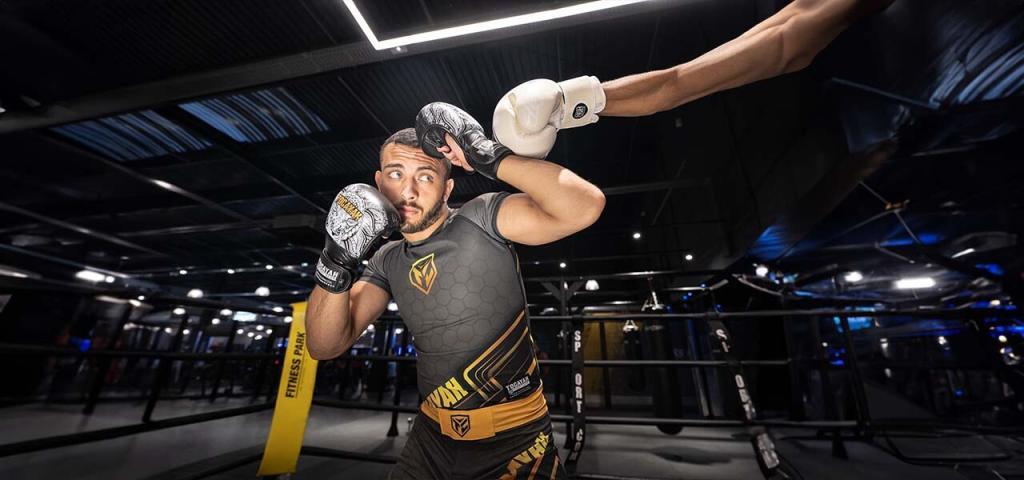
Every piece of gear you select dictates the physical toll your body takes. Training with low-tier equipment results in joint misalignment and excessive impact transfer. When choosing your daily training gear, opt for professional-grade options. Tocayah’s high-density foam padding in their signature boxing gloves protects the complex, delicate bone structures of your hands and wrists, directly mitigating the need for extensive therapeutic recovery for your upper extremities. Similarly, choosing an ultra-lightweight, moisture-wicking Muay Thai short ensures unrestricted hip mobility, preventing groin and hip flexor strains during repetitive kicking drills.
Conclusion
True championship performance is built when the gym doors are closed. By respecting your sleep
architecture, precision-engineering your daily nutrition, and utilizing premium, protective gear from Tocayah, you treat your body like the elite machine it is. Balance your inner warrior’s work ethic with a world-class recovery protocol, and watch your performance reach unprecedented levels.
FREQUENTLY ASKED QUESTIONS
1. How many hours of sleep do professional fighters need?
Professional fighters generally require 8 to 10 hours of sleep per day. This frequently includes a 30 to
60-minute afternoon nap between double training sessions to facilitate neuro-muscular recovery.
2. Should I use ice baths or hot baths for combat sports recovery?
Ice baths are excellent for acute inflammation reduction and systemic pain relief immediately after
intense sparring. However, hot baths or saunas are preferred for chronic muscle tightness and
promoting deep vasodilation.
3. How does high-quality training gear affect physical recovery?
High-quality gear, such as specialized Tocayah boxing gloves and shinguards, maximizes shock
absorption. By dispersing impact forces away from your joints and bones, you significantly lower
structural micro-trauma, meaning your body requires less recovery time between sessions