Introduction
In combat sports, two training methods stand out as foundations for building elite skill: sparring and pad work. Walk into any world-class boxing or Muay Thai gym, and you will see athletes trading technical shots in the ring or blasting powerful combinations on the Thai pads. For decades, fighters and coaches have debated which training method is superior for developing real fight skills. The truth is, both methods serve unique, essential roles in an athlete’s development. Understanding how to utilize and balance both effectively is key to accelerating your progress. This comprehensive guide breaks down the science behind sparring and pad work, showing you how to combine them to achieve peak performance.
The Power of Pad Work: Precision, Power, and Technical Excellence
Pad work is the ultimate environment for developing technical precision, raw power, and proper body
mechanics. When working with an experienced pad holder, you can throw high-intensity strikes with full power without the fear of getting countered or injured. This allows you to focus completely on fine-tuning your technique, perfecting your hip rotation, and cleaning up your balance.
Pad work acts as a laboratory for building muscle memory. Whether you are throwing repeated combinations into heavy boxing gloves or perfecting the timing of your roundhouse kicks, pad work trains your nervous system to execute strikes with optimal speed and structure. It also provides excellent cardiorespiratory conditioning, as a fast-paced pad session forces you to maintain an aggressive output that closely replicates the high intensity of a real fight round.
The Necessity of Sparring: Real-Time Strategy and Adrenaline
Management
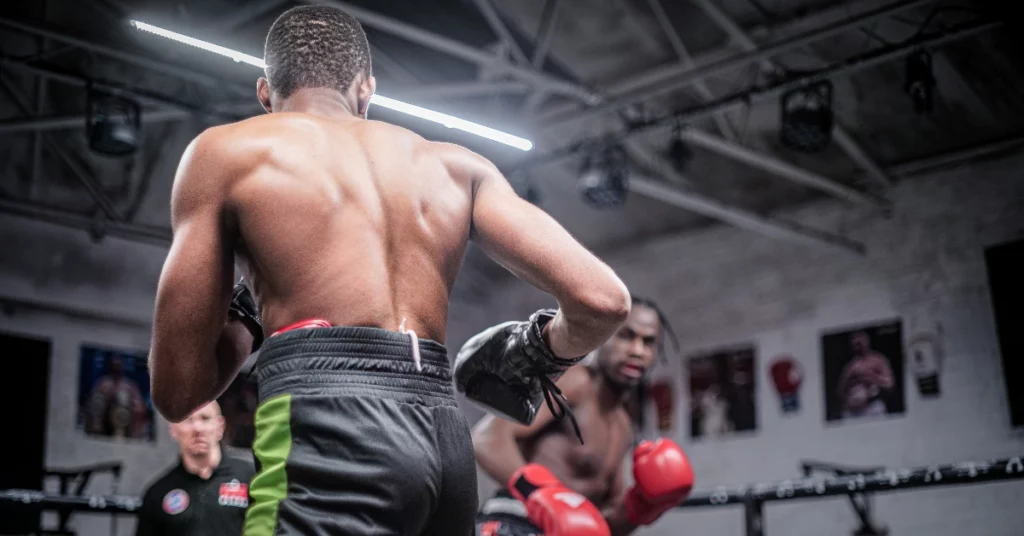
While pad work builds your tools, sparring teaches you how to use them against an uncooperative opponent. You can look like a world-beater on the pads, but everything changes when punches start coming back at you. Sparring is the only place where you can truly master distance management, timing, defensive counters, and psychological pressure.
Sparring forces you to manage your adrenaline and stay calm under pressure. It teaches you how to read your opponent’s body language, spot subtle tells, and adjust your strategy in real time. To spar safely and effectively, high-quality protective gear is essential. Wearing a premium, high-density Muay Thai shinguard allows you to check and throw kicks confidently without suffering injuries, while a comfortable Muay Thai short gives you the full range of motion needed to move and react quickly in the ring.
A Side-by-Side Comparison for Combat Athletes
Technical Skill and Power Development
Winner: Pad Work. Pads offer a controlled setting where you can break down complex movements, correct minor technical flaws, and build explosive power through repetitive, high-yield drilling.
Timing, Defense, and Ring Awareness
Winner: Sparring. You cannot learn timing or defensive reactions on the pads. Sparring forces you to read a live opponent, manage distance, and apply defensive footwork under realistic pressure.
“Pads show you how to hit; sparring shows you when to hit, where to hit, and how to avoid getting hit
back.”
Structuring the Perfect Balance for Fast Progress
To maximize your development, your training schedule should balance both methods based on your
experience level and current goals. Beginners should focus heavily on pad work and technical drilling (roughly an 80/20 split) to build a strong foundation of proper technique and muscle memory before entering live sparring situations.
As you become more advanced, the split should shift closer to 50/50, using pad work to sharpen your
weapons and sparring to test them against live resistance. During fight camps, sparring takes a central role to build ring awareness and tactical pacing, while pad work is used to keep your speed sharp and maintain high-intensity conditioning.
Maximize Your Training Safety with Premium Tocayah Gear
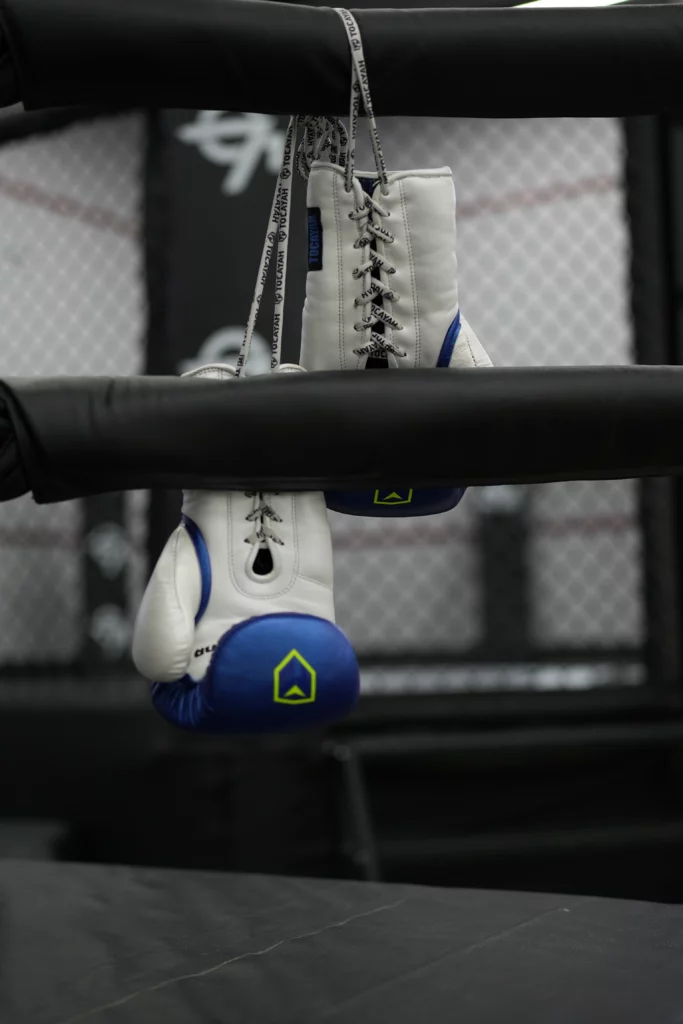
No matter which method you emphasize, using cheap, low-quality equipment will hold your progress back and increase your risk of injury. Tocayah focuses on creating premium equipment that delivers both maximum performance and top-tier safety. Their professionally designed boxing gloves feature advanced multi-layer padding that protects your hands during heavy pad sessions and keeps your partners safe during technical sparring.
Additionally, Tocayah’s protective gear and lifestyle shorts are engineered to fit perfectly, providing the long-lasting durability and unrestricted freedom of movement you need to focus entirely on your training and reach your full potential as a fighter.
Conclusion
The debate between sparring and pad work is a misunderstanding of combat sports training. They are
complementary tools, not competing ones. Pad work builds your technical foundation and power, while
sparring develops your timing, defense, and ring IQ. By combining both approaches and protecting yourself with premium gear from Tocayah, you can accelerate your development and build a truly complete fight game.
FREQUENTLY ASKED QUESTIONS
1. How often should a beginner engage in live sparring?
Beginners should focus on technical drilling and pad work for at least 3 to 6 months to build basic
defensive habits before trying light, controlled sparring under a coach’s supervision.
2. What is technical sparring compared to hard sparring?
Technical sparring focuses entirely on speed, control, and strategy, with strikes thrown at around
20-30% power. Hard sparring ups the intensity to 70-80% power to simulate the true physical pressure
and conditioning demands of a real fight.
3. Can bad gear cause injuries during pad work?
Yes. Using worn-out or poorly made gloves on heavy pads can cause wrist sprains and knuckle
damage. It is critical to use supportive, high-quality Tocayah gear to protect your body during high-
impact training.