Introduction
Injuries are one of the biggest challenges for boxers and Muay Thai athletes. A wrist injury, a bruised shin, or a strained muscle can keep you away from training for days or even weeks.
Although injuries are part of combat sports, you can reduce the risk of many common training injuries by developing good habits, using proper techniques, and wearing the right protective equipment.
In this guide, we’ll cover some simple ways to protect your body, train safely, and stay consistent on your journey as a fighter.
1. Protect Your Hands and Wrists
Your hands are among the most important tools in boxing. However, the small bones and joints in your hands and wrists can be injured when you repeatedly punch heavy bags, pads, or opponents.
Poor punching technique, inadequate support, and excessive training can increase the risk of injury.
Here are three ways to protect your hands:
-
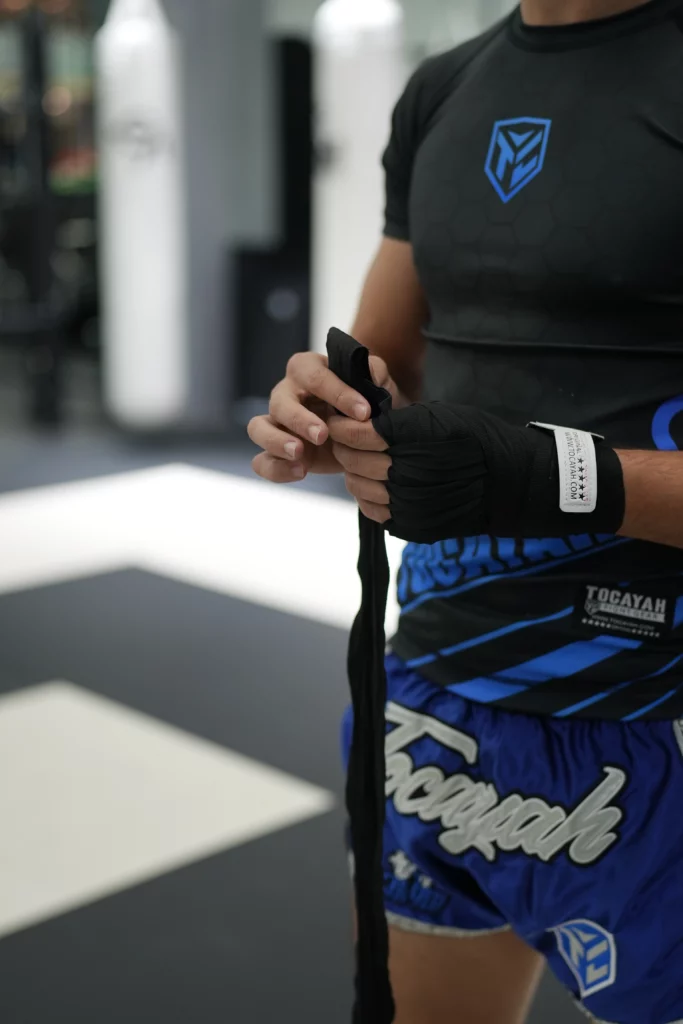
Use hand wraps: Wrap your hands properly before every bag, pad, or sparring session. Hand wraps provide additional support for your hands and wrists.
-
Choose good boxing gloves: Look for gloves that fit properly and provide suitable padding and wrist support.
-
Focus on technique: Keep your wrist aligned with your forearm when punching. Avoid bending your wrist at the moment of impact.
Your equipment also needs regular attention. Over time, the padding inside boxing gloves can wear down and provide less protection.
At Tocayah, we understand the importance of reliable boxing equipment. Our boxing gloves are designed to provide comfort, support, and protection during training.
Remember that even high-quality gloves cannot replace proper technique and sensible training habits.
2. Protect Your Shins During Muay Thai Training
Shin injuries are common in Muay Thai because the sport involves repeated kicking, checking kicks, and contact with training partners.
A hard impact can cause bruising and pain, making it difficult to continue training.
One common misconception is that you need to hit hard surfaces, such as metal poles, to strengthen your shins.
This is not a safe training method. Striking hard, unyielding surfaces can cause serious injuries and should be avoided.
Instead, focus on gradual, sport-specific training.
Here are some practical ways to protect your shins:
-
Use heavy bags and Thai pads: These allow you to practice your kicks while developing your technique and conditioning.
-
Wear shin guards during partner drills: Properly fitted shin guards help reduce the impact of kicks during technical practice and sparring.
-
Increase training intensity gradually: Give your body time to adapt instead of increasing the volume and intensity of your kicks too quickly.
-
Pay attention to pain: Persistent or severe shin pain should not be ignored.
Choosing comfortable, well-fitted Muay Thai shin guards can help protect your shins during training.
Tocayah offers combat sports equipment designed to support fighters as they work on their skills and improve their performance.
3. Warm Up Properly Before Training
Jumping straight into intense training without warming up can increase the risk of certain injuries.
Your muscles and joints need time to prepare for the movements involved in boxing and Muay Thai.
A good warm-up gradually increases your heart rate, improves mobility, and prepares your body for more demanding exercises.
Before training, spend a few minutes on activities such as:
-
Light jogging or skipping.
-
Arm circles and shoulder movements.
-
Hip rotations and controlled leg swings.
-
Gentle lunges and bodyweight squats.
-
Light shadowboxing with relaxed movements.
Pay particular attention to your shoulders, hips, and ankles. These areas play an important role in punching, kicking, and moving around the ring.
Dynamic movements are generally a good choice before training because they prepare your body for the actions you’ll perform during your session.
Your training clothes also matter. Muay Thai shorts with a comfortable fit and sufficient room for movement allow you to kick and move without unnecessary restrictions.
At Tocayah, we understand that fighters need equipment that supports their movements throughout training.
4. Follow a Simple Injury Prevention Checklist
Preventing injuries isn’t about doing one exercise or buying one piece of equipment. It’s about building good habits and following them consistently.
Use this checklist to make your training safer.
-
Wrap your hands properly: Use hand wraps before punching bags, pads, or taking part in sparring sessions.
-
Wear appropriate protective equipment: Choose boxing gloves and shin guards that fit properly and provide suitable protection for your training.
-
Learn proper technique: Work with a qualified coach to improve your punching, kicking, and defensive movements.
-
Warm up before training: Prepare your muscles and joints before moving into high-intensity exercises.
-
Cool down after training: Finish with light movement and gentle stretching if it feels comfortable. Stretching can help maintain flexibility, although it does not guarantee injury prevention.
-
Increase training gradually: Avoid sudden increases in training volume or intensity.
-
Get enough rest: Recovery is an important part of improving performance and managing training fatigue.
-
Listen to your body: Don’t ignore persistent pain, swelling, or reduced movement just to complete a workout.
The goal is to train consistently while giving your body the time and support it needs to recover.
5. Choose Equipment That Supports Your Training
The right equipment can make your training more comfortable and help you protect yourself during practice.
Boxing gloves should fit securely, provide suitable padding, and support your wrists. Shin guards should stay in place and provide appropriate coverage without unnecessarily restricting movement.
Your equipment should also be checked regularly for signs of damage or wear.
For example, replace gloves when their padding has significantly deteriorated or they can no longer provide adequate protection. Follow the manufacturer’s care instructions to help maintain your equipment.
At Tocayah, we provide combat sports equipment designed with fighters’ training needs in mind.
Whether you’re working on your boxing combinations or improving your Muay Thai kicks, choosing equipment that fits properly can help you focus on your technique and training goals.
Remember that protective equipment reduces some risks but cannot eliminate the possibility of injury.
Conclusion
Staying healthy is an important part of becoming a better fighter.
By using hand wraps, wearing appropriate protective equipment, warming up properly, and learning good striking technique, you can reduce the risk of many common training injuries.
Just as importantly, increase your training intensity gradually, allow enough time for recovery, and never ignore persistent pain.
If you experience severe pain, significant swelling, numbness, or difficulty moving a joint, stop training and seek appropriate medical advice.
Train smart, protect your body, and stay consistent. Your long-term progress depends on more than how hard you train; it also depends on how well you take care of yourself.
Frequently Asked Questions
1. Why do my wrists hurt after hitting the heavy bag?
Wrist pain can result from poor punching technique, inadequate hand wrapping, unsuitable gloves, or excessive training.
Make sure your wrists remain properly aligned when punching and that your hand wraps and gloves fit correctly.
If the pain persists, stop punching and seek medical advice before returning to training.
2. How long do boxing gloves last?
The lifespan of boxing gloves depends on their quality, how often you train, and how well you maintain them.
Gloves used frequently may need replacing sooner than those used occasionally. Inspect them regularly and replace them when the padding breaks down, the structure becomes damaged, or they no longer provide adequate protection.
Allow your gloves to dry after training and follow the manufacturer’s care instructions to help extend their lifespan.
3. Can stretching before training cause injuries?
Not necessarily. The type of stretching and how you perform it matter.
Dynamic movements, such as controlled leg swings and arm circles, are generally suitable for warming up before combat sports.
Long periods of intense static stretching immediately before explosive activity may temporarily reduce strength or power. Gentle static stretching can be included after training if it feels comfortable.
A proper warm-up should prepare your body for the movements and intensity of your session.